




OECD International Network on Financial Education in Romania
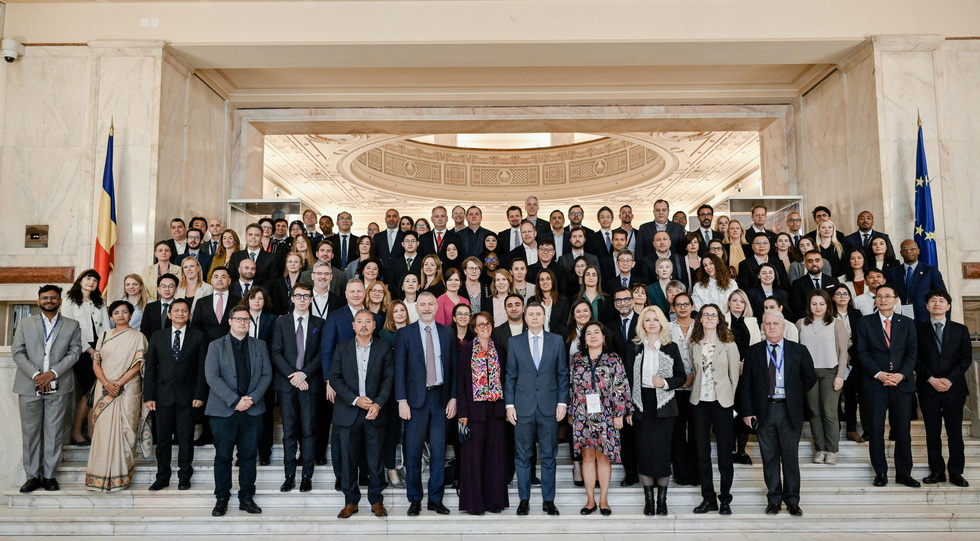 I had the pleasure of opening the biannual meeting of the Technical Committee of the OECD International Network on Financial Education (OECD/INFE), probably the most important international event dedicated to financial education. Hosted by the National Bank of Romania, the meeting provided a platform for dialogue among
Hormuz Inflation – The New Challenge for Monetary Policy
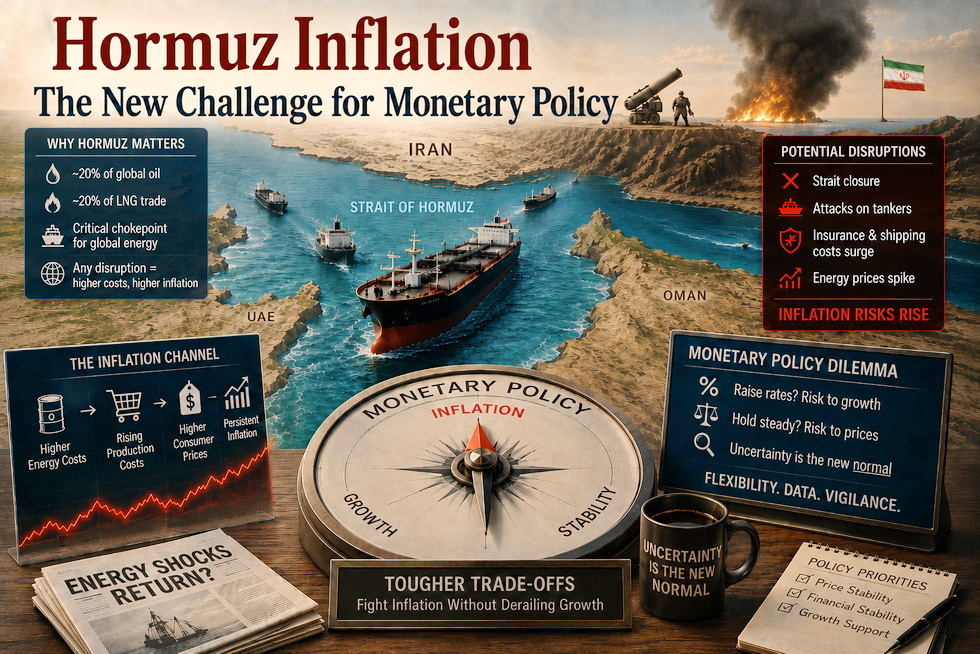 With or without a lasting ceasefire, the Middle East war is fuelling severe uncertainties, entailing a pick-up in inflation, in tandem with a slowdown of economic activity. Over the short term, the impact on inflation stems directly from higher fuel prices. Yet long-term effects are much more difficult to project, since they hinge both on the
OECD/INFE Symposium: Financial Education and Financial Sustainability
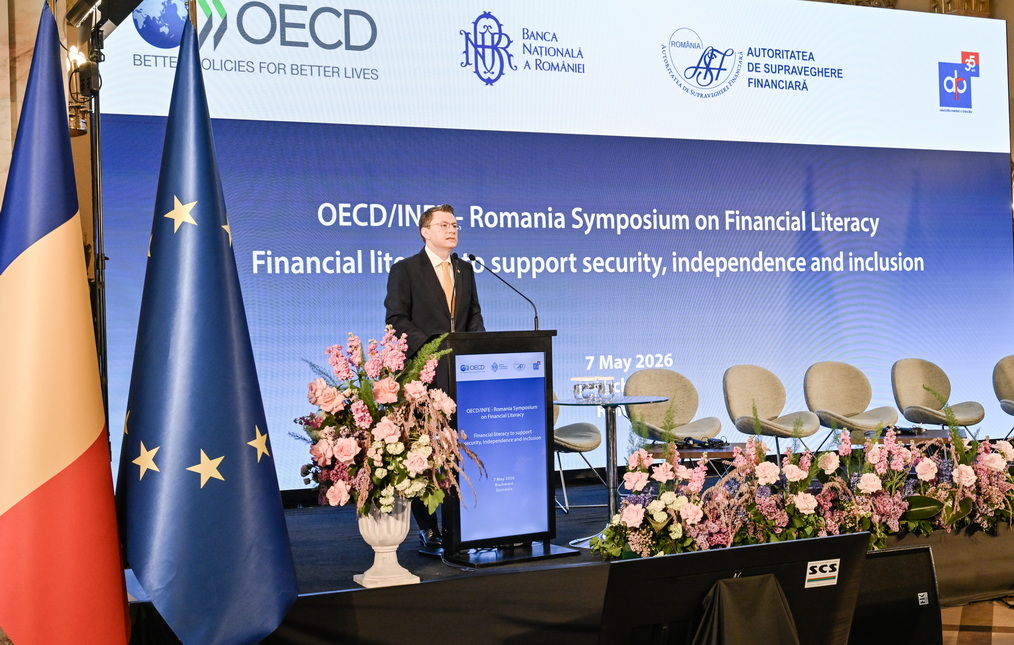 I had the honor of opening the OECD / INFE – Romania Symposium on Financial Literacy, an event organized by the National Bank of Romania in partnership with the Financial Supervisory Authority and the Romanian Association of Banks. The symposium took place at the National Museum of Art of Romania, in the Throne Hall, a
The technical recession “surprise”: risks and priorities in 2026
 Over the past few days, we have witnessed intense debates around the topic of the “technical recession”, where various causes and accountabilities have also been circulated. Therefore, it remains to be clarified how serious it is that it is called “recession” and how severe its “technical” nature is. At the same time, it is important to
Inflation peaks and monetary policy options
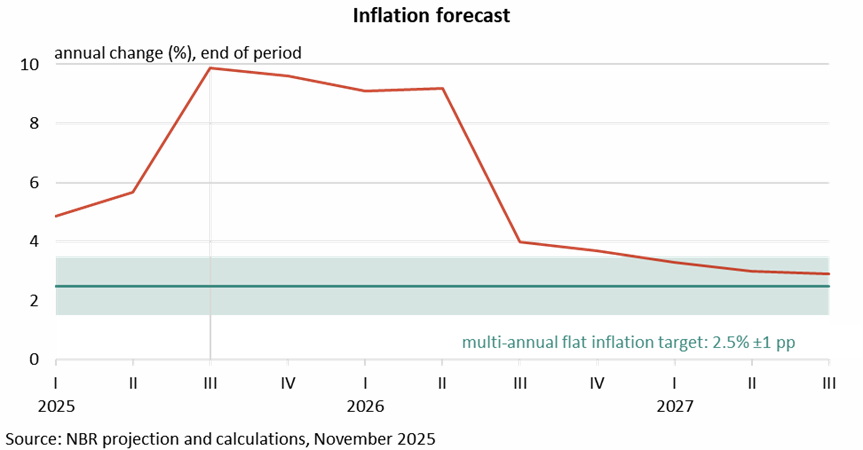 History has shown that inflation is the most perfidious economic threat to the well-being of nations, with far-reaching redistributive effects in the social and economic structure, by altering the rationality of economic calculation and via increased inequalities and unfulfilled expectations. Those who have accumulated savings,


