




The Crisis and the State: from European Realities to Institutional Imperatives
 Anchored, by definition, in the logic of budget balance, the Victorian fiscal morality became today, in contemporary democracy, worthy to be displayed in the museums of economic history. Nowadays, the Keynesian doctrine – in its original version or in its reloaded post-crisis version – established a true status quo of budgetary deficits and public debts. Overwhelmed by the
The Crisis and Capitalism: from Marx to the “Smart Guys” on Wall Street
 The recent crisis brought a new trend in economic and political debates, one according to which it is “cool” to be anti-, anti-market, anti-capitalism, anti-economy. Some kind of paradox of modernity, meaning a popular form of anti-system revolt, although if we take into consideration the “Occupy Wall Street” phenomenon, even only as a simple illustration, it is easy to
The reduction of Social Security Contributions would be a breath of fresh air for the economy
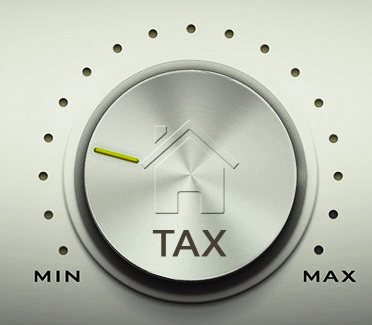 In Romania, salaries are low, while costs related to labor force are high. This is the paradox of a fiscal burden overwhelming for the labor market. That is how we can explain the anemic appetence of entrepreneurs for job creation, and for employing workers ‘formally’, without resorting to the – sometimes saving – solution of employing workers on the black market. This is why the
The Currency and the Monetary System
 From all the issues and areas the economic science deals with, only a few are more debated than the monetary aspects. We face fierce controversy everywhere: when and to what extent are “cheap money” or “expensive money” better? are there any economic responsibilities a central bank has to carry on and why? what is the optimal money supply for the economic system?
What We Did Not Understand from Recession: Time Matters!
 During all these years (seems like forever), the recession was described as being a catastrophe, almost like the war. A scourge of the economy that becomes ruinous, especially for the contemporary civilization. However, to clarify this, the recession is not the cause, but only the effect. The recession does not reflect anything else but previous deviations of the economy from its


